Every July 28, World Hepatitis Day reminds us of the importance of making liver diseases visible. We want to take advantage of this date to focus attention on a disease that poses a real diagnostic challenge: autoimmune hepatitis.
Clinical analysis
Every July 28, World Hepatitis Day reminds us of the importance of making liver diseases visible. We want to take advantage of this date to focus attention on a disease that poses a real diagnostic challenge: autoimmune hepatitis.
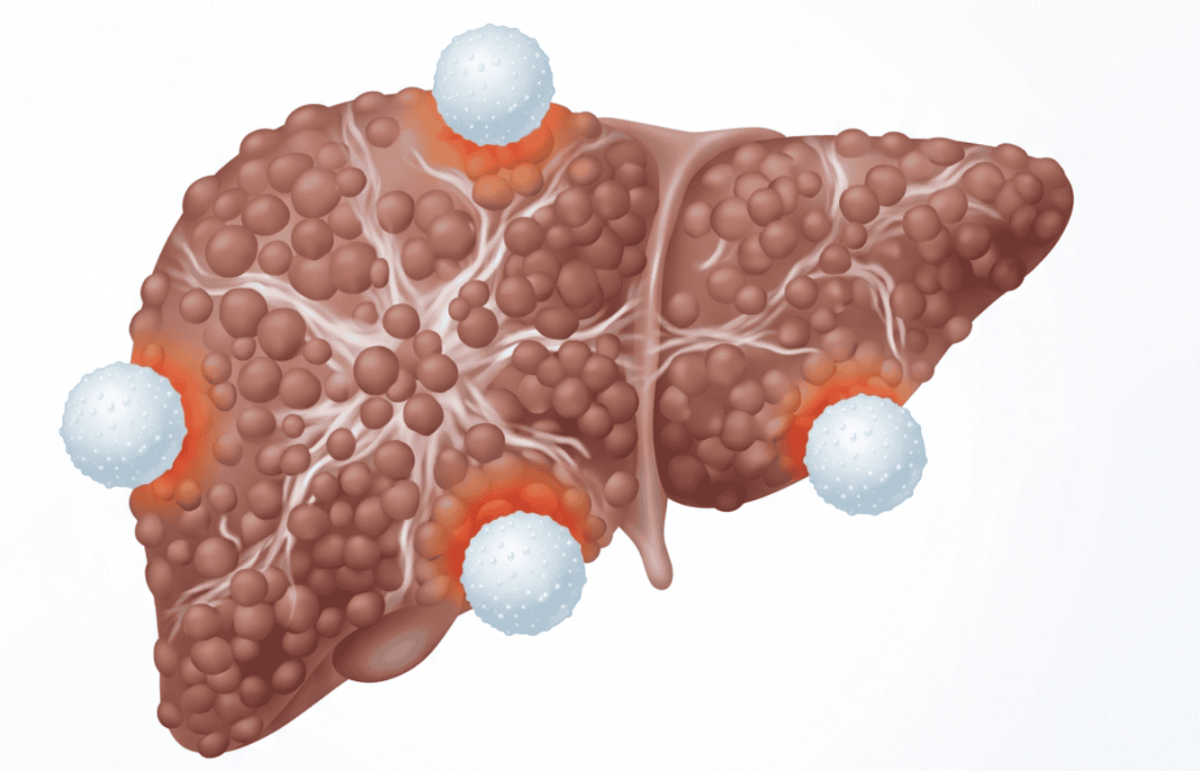
Autoimmune hepatitis (AIH) is a chronic inflammatory disease in which the immune system itself attacks the liver. Although it is considered a rare disease, various studies suggest that its incidence has increased in recent years, mainly affecting women.
The challenge of clinical diagnosis
Autoimmune hepatitis is usually masked by non-specific symptoms or even occurs asymptomatically for years. This clinical variability makes it extremely difficult for the clinician to suspect the disease in its early stages.
Early detection is essential to prevent the progression of the disease. Without treatment, chronic inflammation can lead to liver fibrosis and progress to cirrhosis, irreversibly compromising liver function. Due to the overlap of symptoms with other liver and autoimmune diseases, definitive diagnosis is based on the integration of different clinical, biochemical, histological, and immunological findings. Among the latter, the detection of autoantibodies is one of the most valuable tools to guide the diagnosis.
The role of autoantibodies in the classification of disease
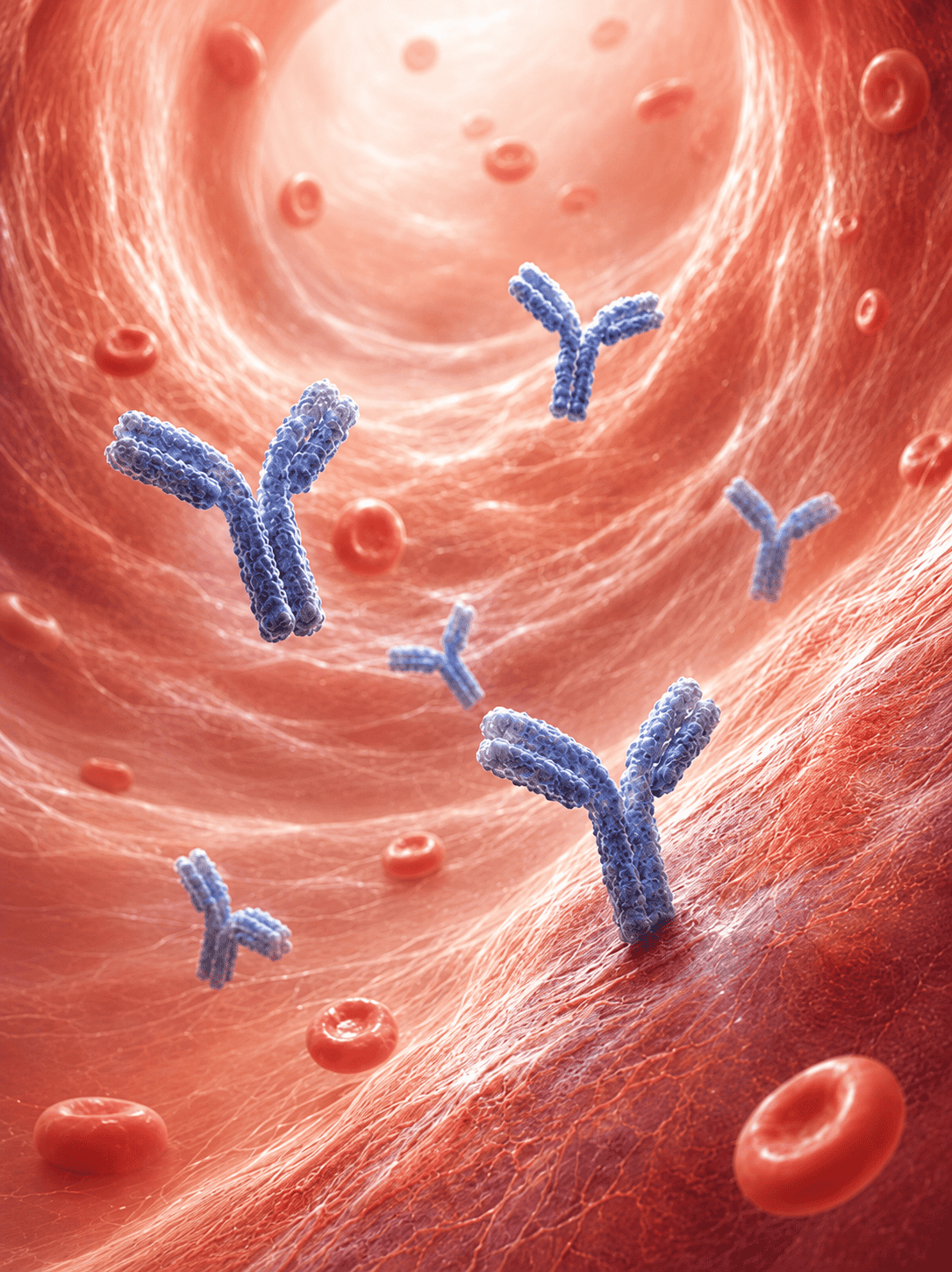
The identification of these serological markers supports the diagnosis and makes it possible to differentiate precisely between the different subtypes of the disease:
• Autoimmune Hepatitis Type 1 (AIH-1): This is the most common form of the disease. It is characterized by the presence of antinuclear antibodies (ANA) and/or anti-smooth muscle antibodies (ASMA).
• Type 2 Autoimmune Hepatitis (AIH-2): Less frequent and mainly of pediatric predisposition, it is associated with liver-kidney anti-microsome antibodies type 1 (LKM1) and antibodies against the hepatic cytosolic antigen (LC1).
Thus, the detection and correct typing of these autoantibodies in the laboratory is essential to establish the patient's immunological profile and guide clinical decision-making.
Indirect immunofluorescence in support of diagnosis
Indirect immunofluorescence (IFI) continues to be the gold standard technique for the detection of autoantibodies in AIH. In addition to identifying their presence, it allows us to observe characteristic fluorescence patterns that provide additional information of great diagnostic use.
In the case of ASMA antibodies, the observation of staining patterns on renal tissue allows different subtypes to be typed, a key step in identifying the presence of anti-actin F antibodies (MF-ASMA). Depending on the specific anatomical structures that present reactivity, we can classify them into:
• Standard V: Fluorescence localized only in the vascular walls.
• VG pattern: Reacts with the vessels and with the mesangium of the glomeruli.
• VGT pattern: Generates fluorescence in the vessels, glomeruli and in the network of fibers that surrounds the renal tubules.
Several studies have shown that VG patterns and, especially, the VGT pattern have a closer association with AIH-1, since they are strongly correlated with the presence of anti-actin F antibodies. Therefore, the correct typing of these patterns provides additional information to support the diagnosis and increase confidence in the results obtained.
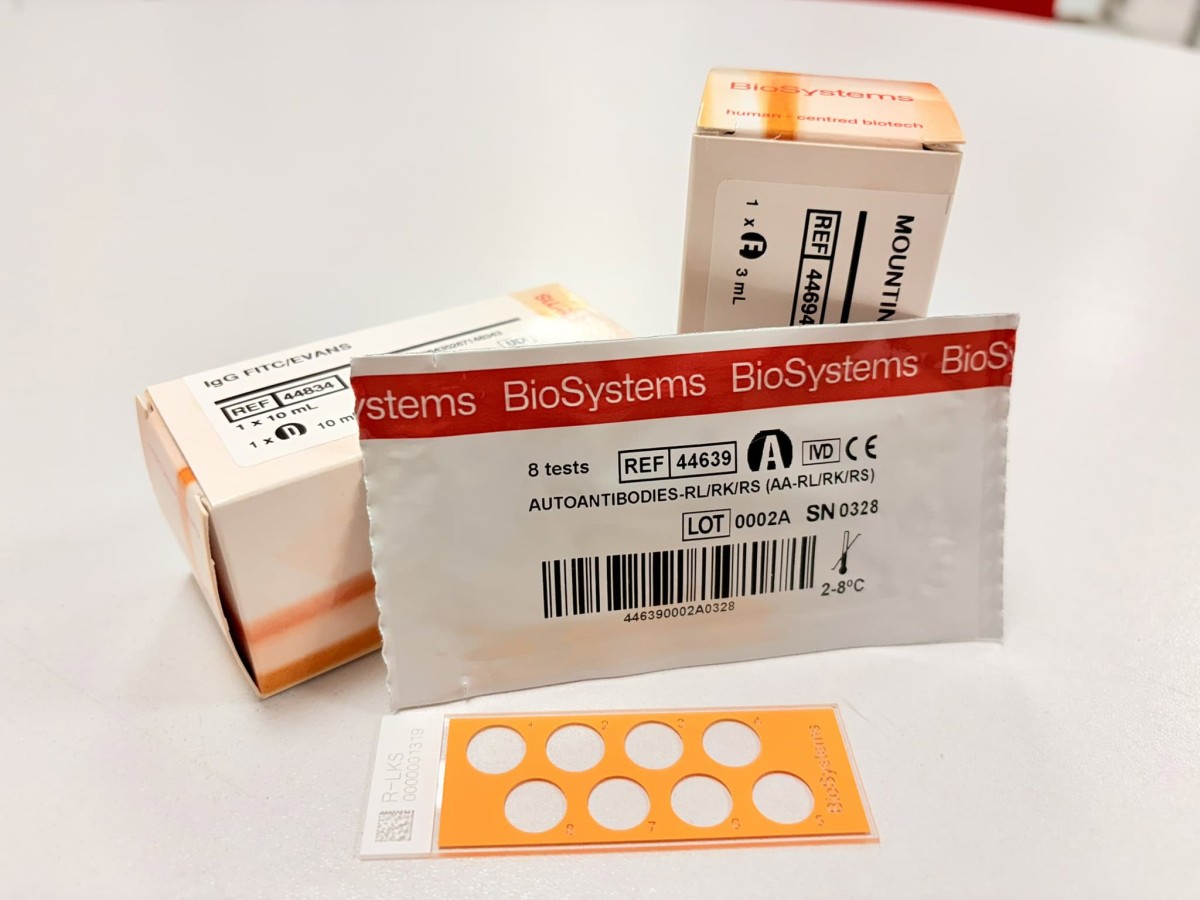
BioSystems Autoantibody-RL/RK/RS (ANA-AMA-ASMA-APCA-LKM) Kit
The Autoantibody-RL/RK/RS Kit is designed for simultaneous detection of multiple autoantibodies by IFI. This kit incorporates sections of rat liver, kidney, and stomach as biological substrate on a single slide.
The combination of these three tissues facilitates the simultaneous evaluation of different immunological markers (ANA, AMA, ASMA, APCA, and LKM). In particular, the analysis and contrast of ASMA patterns on renal tissue provides valuable information for the study of patients with suspected AIH-1, refining the clinical evaluation and facilitating the differential diagnosis.
The laboratory as a key element in detection
Autoimmune hepatitis is a complex disease that can go unnoticed for years, but whose consequences can be serious when its identification is delayed. In this context, the detection of autoantibodies by indirect immunofluorescence continues to play a key role.
Beyond determining whether a marker is present or not, the careful reading of fluorescence patterns provides information that is vital for the immunological characterization of the patient. Tools such as the Autoantibody Kit-RL/RK/RS make it possible to take advantage of the full potential of this technique, supporting the specialist's criteria and contributing to earlier detection of the disease.
Sub-category
Products in this article
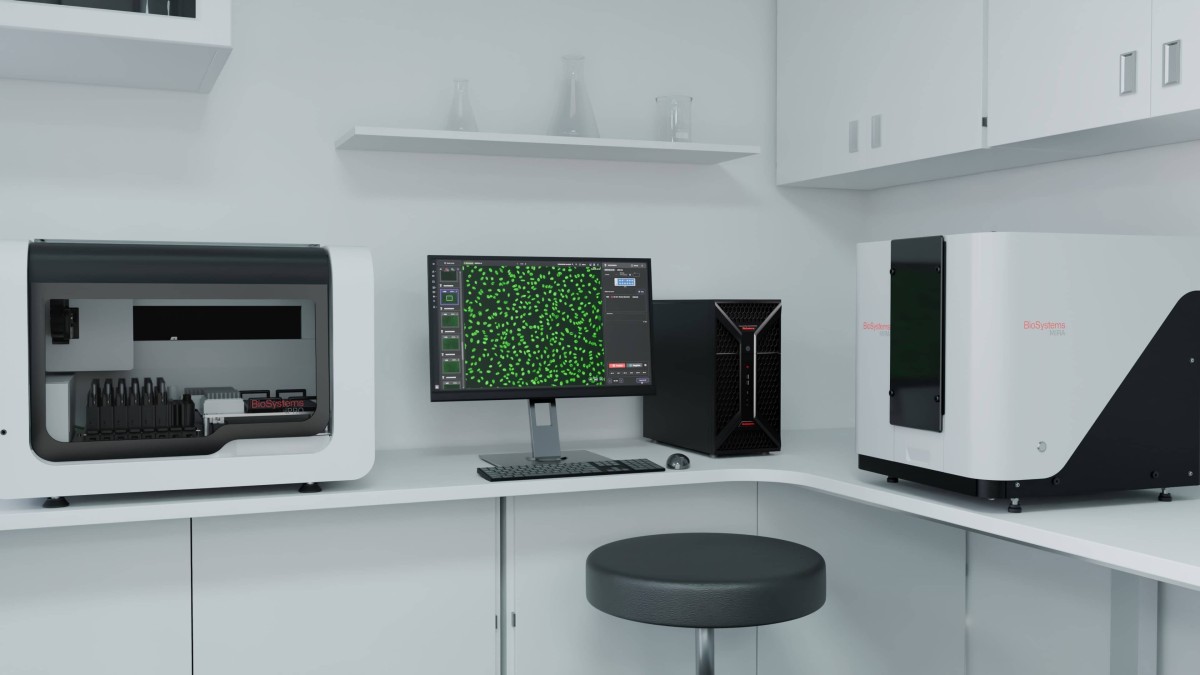
The Complete Immunofluorescence Assay System streamlines autoimmune disease diagnostics by integrating all IFA assay steps.
See this product
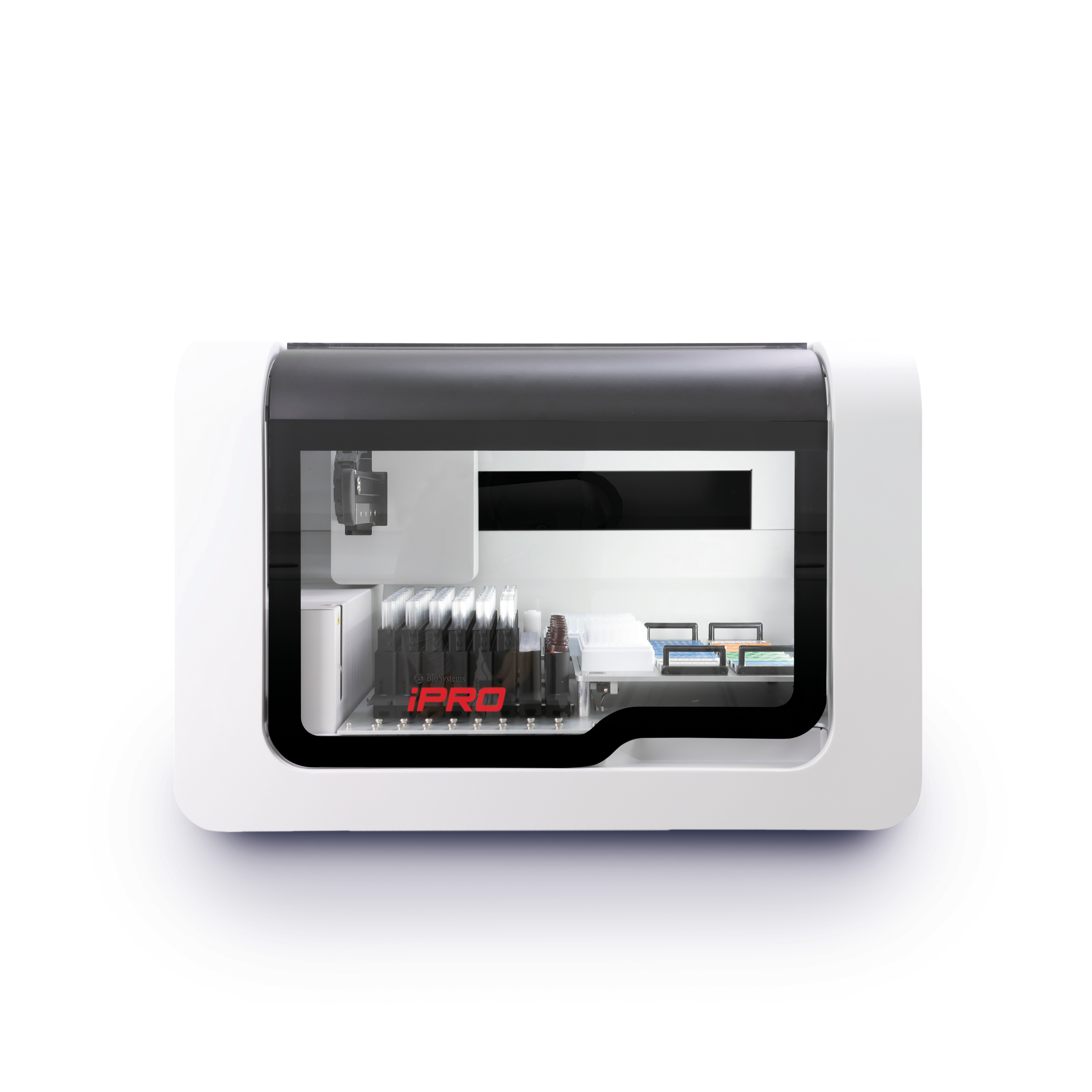
The iPRO is an immunofluorescence processor that optimize the lab capacity with a new compact and cost-effective design.
See this product
BioSystems ARA is a laboratory management software that facilitates the interaction between BioSystems instruments and the management of working sessions.
See this product
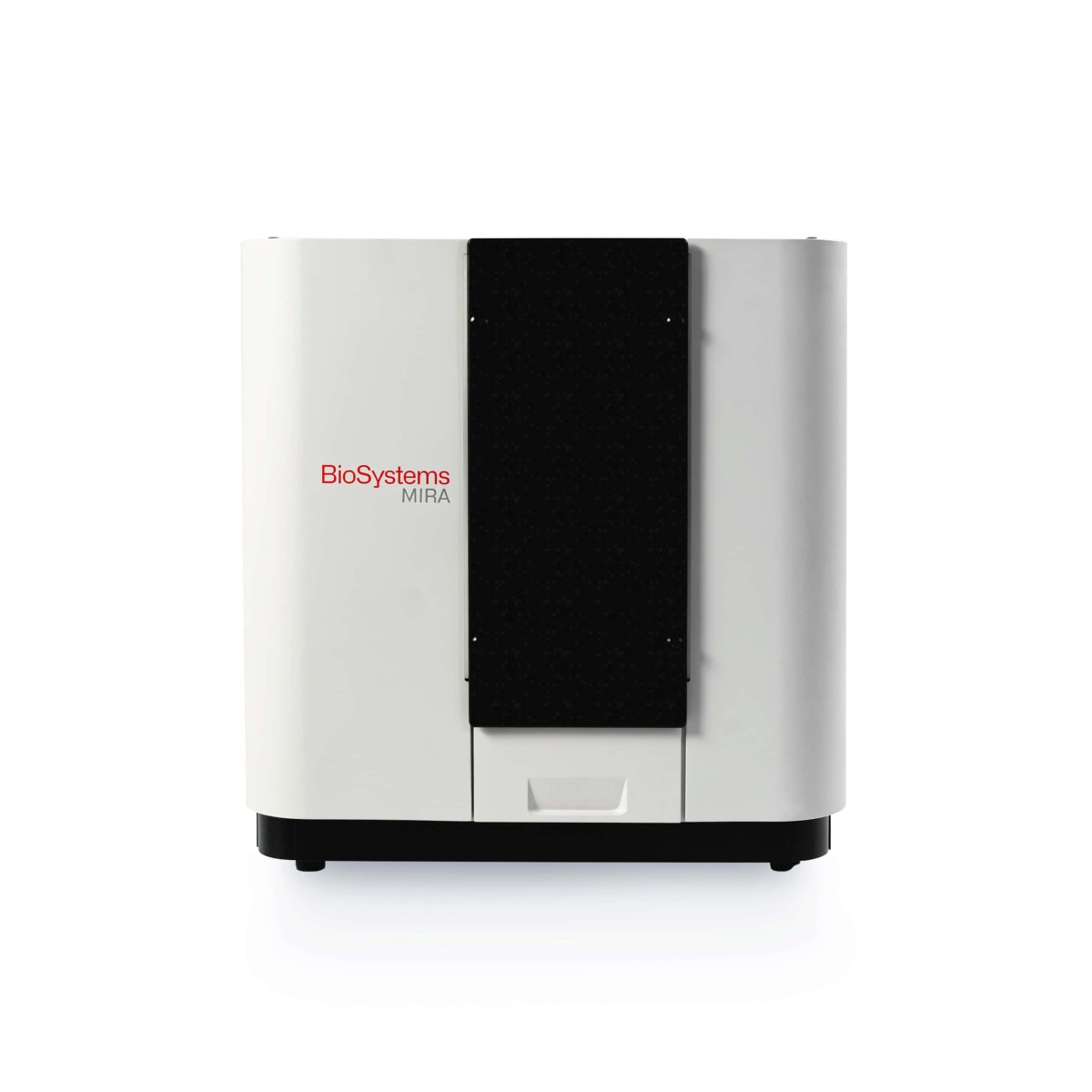
The BioSystems MIRA microscope is used to capture fluorescence images from samples processed by indirect immunofluorescence assay.
See this product
imLD is a reliable and easily operated fluorescence microscope.
See this product