Select a country for a better browsing experience.

  • Global
open

All rights reserved.
©2026

Select a language.

ENopen ESopen FRopen
Want to go back?

Food & Beverage analysis

What is YAN? Discover the added value of its automation and its link to the Formol index

When it comes to winemaking or brewing, fermentation is more than a simple metabolic process. Success on this key step greatly depends on the yeast assimilable nitrogen (YAN).

Understanding YAN

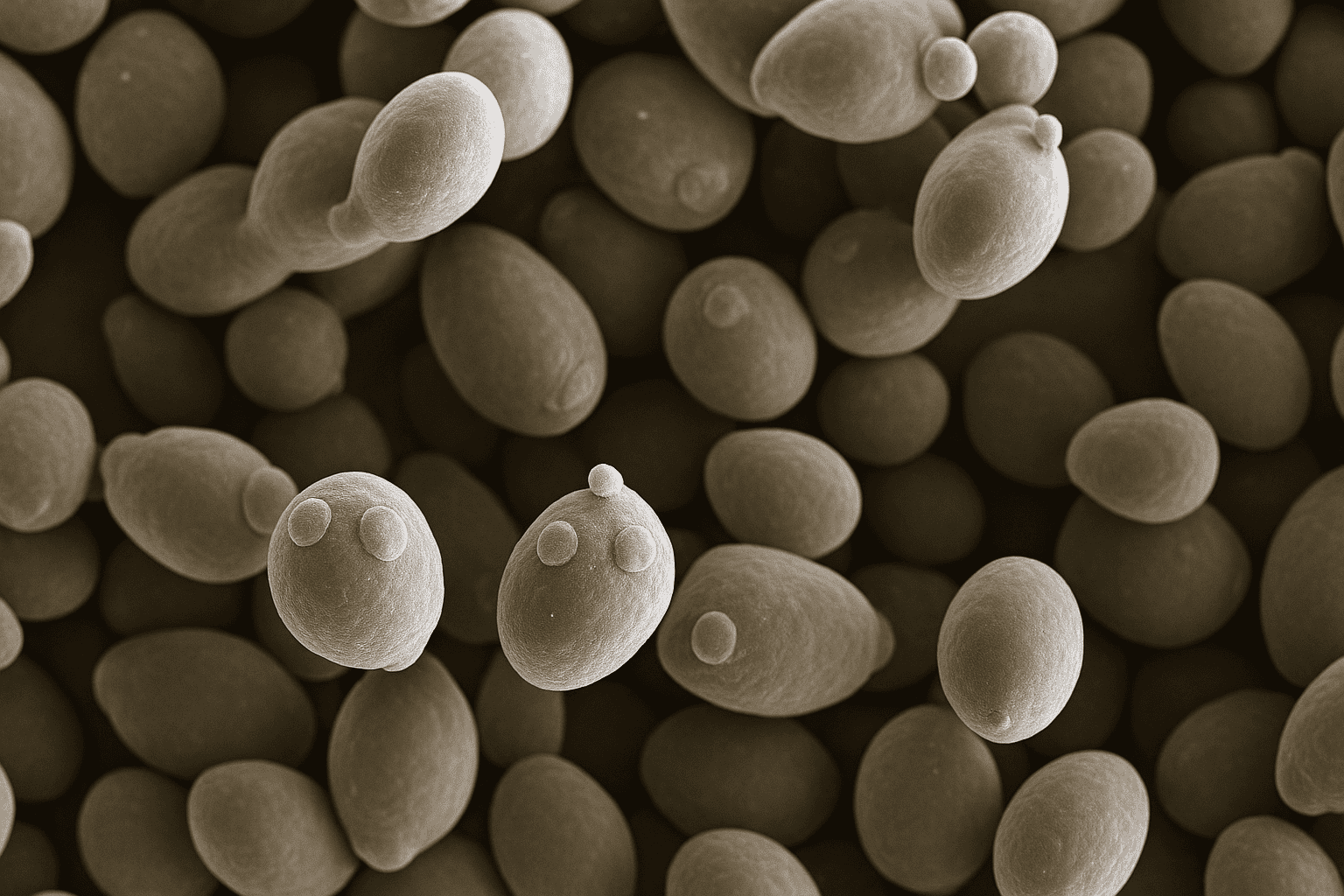
Yeasts require nitrogen to perform key cellular processes, especially during the initial stages of fermentation. However, not all nitrogen compounds in a grape must or malt wort are useful to them. In fact, only inorganic ammonium and free amino acids with primary amines are useful, and only those that are free in solution.

YAN represents the portion of nitrogen that yeast can readily assimilate, and it consists of two primary components:

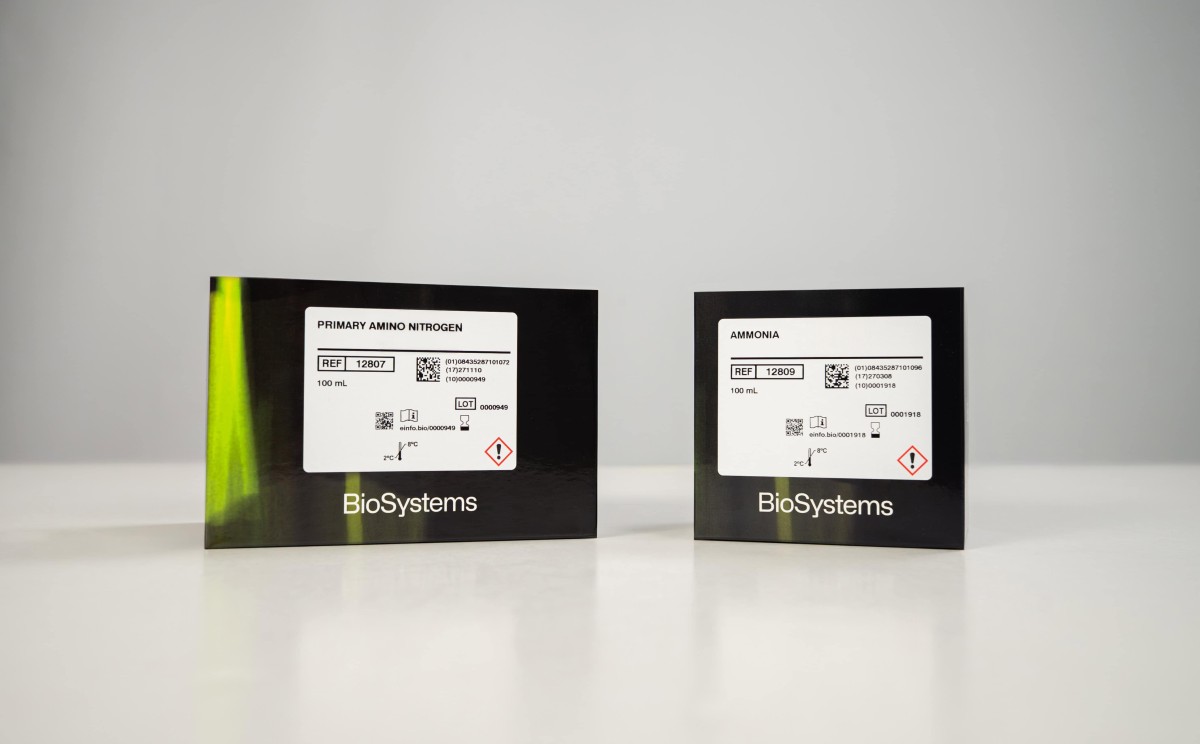
Ammonia: the most easily assimilated form of nitrogen for yeast.

Primary Amino Nitrogen (PAN): derived from amino acids with primary amine groups.


The final YAN value is then calculated using both Ammonia and PAN results.

It’s important to note that not all commercial kits measure ammonia in the same units, which can lead to confusion and incorrect YAN estimation if the conversion is not applied. YAN will always be expressed as atomic nitrogen in ppm.

Why measure it?

Accurate determination of YAN before and during fermentation allows winemakers and brewers to:

Adjust nutrient additions appropriately improving fermentation efficiency.

Avoid fermentation problems, such as slow or excessively fast kinetics or fermentation stoppages.

Optimize aromatic complexity, since nitrogen levels influence the production of higher alcohols, esters, and volatile sulfur compounds.

Considerable savings in investment in the addition of nutrients.

Control of nutrition and fertilization of vines.

Analytical methods: BioSystems vs. traditional titration

Historically, many wineries have relied on the formaldehyde titration method (also known as the Sørensen method) to estimate YAN. This manual process, while still in use, has several limitations:

It underestimates certain amino acids. It is not an exact method.

It requires toxic reagents and manual titration, increasing variability and waste.

Traditional methods take a long time to implement.


Enzymatic and colorimetric methods, such as PAN and Ammonia BioSystems kits, provide a faster, safer, and more accurate alternative.

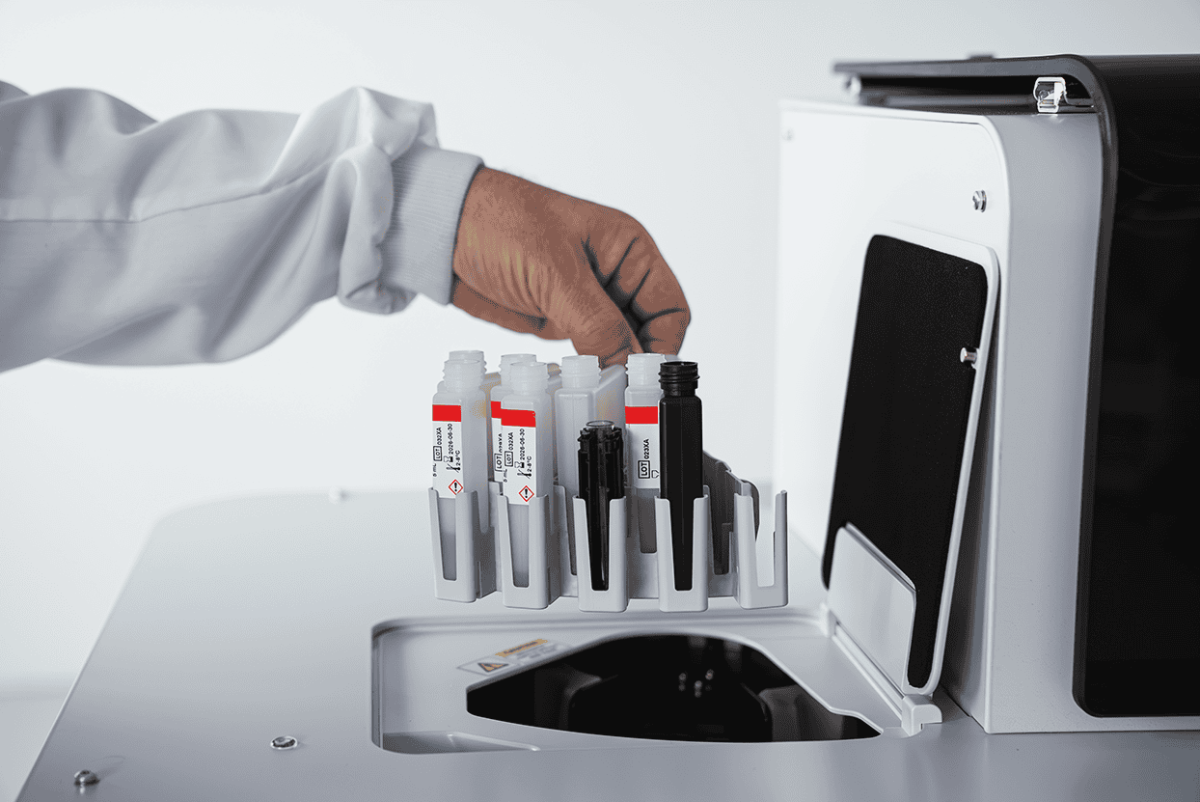
These methods are highly selective and automate easily.

A study conducted with a winery demonstrated that while the Sørensen method underestimated PAN by ~20% on average, the enzymatic methods provided consistent and accurate results across a range of amino acids and concentrations.

Other advantages of using an automated enzymatic method include:

• No toxic reagents

• Low operator skills required

• Low waste generation

• Short analysis time per sample

• No interference

Formol number and YAN

Formol number, also known as Formol Index, measures the content of primary amino nitrogen from free amino acids and ammonium present in a sample. It is widely used as a quality parameter for fruit juices as it acts as an indicator of maturity and ripeness. It is, moreover, an essential parameter for assessing the fruit juice content helping to detect any potential adulterations or water addition.

Its official method of analysis (IFUMA 30) also involves toxic reagents and manual titration steps, making it a complex and time-consuming procedure.

In contrast, Biosystems’ PAN and Ammonia kits also work as an alternative method (published as Recommendation 24 by the International Fruit and Juice Association) that allows to determine the formol number more rapidly, safely, and easily.

Conclusion

In the complex world of fermentation, nitrogen is not just a nutrient, it is a decision point. Whether you're trying to maximize yeast performance, fine-tune aroma profiles, or solve fermentation issues, accurate YAN measurement is key.

The days of manual titration are slowly giving way to faster, safer, and more reproducible analyses. In this shift, solutions like BioSystems’ PAN and Ammonia kits offer winemakers and brewers a clear advantage in understanding and controlling one of the most critical variables in fermentation.

Products in this article

Y15

Y15

Y15 is a small-size low-demanding analyser that facilitates the automation of tests.

See this product

Y200

Y200

Y200 is a full automatic analyser with high reagent and sample capacity (88 position), the highest grade in flexibility.

See this product

Y400

Y400

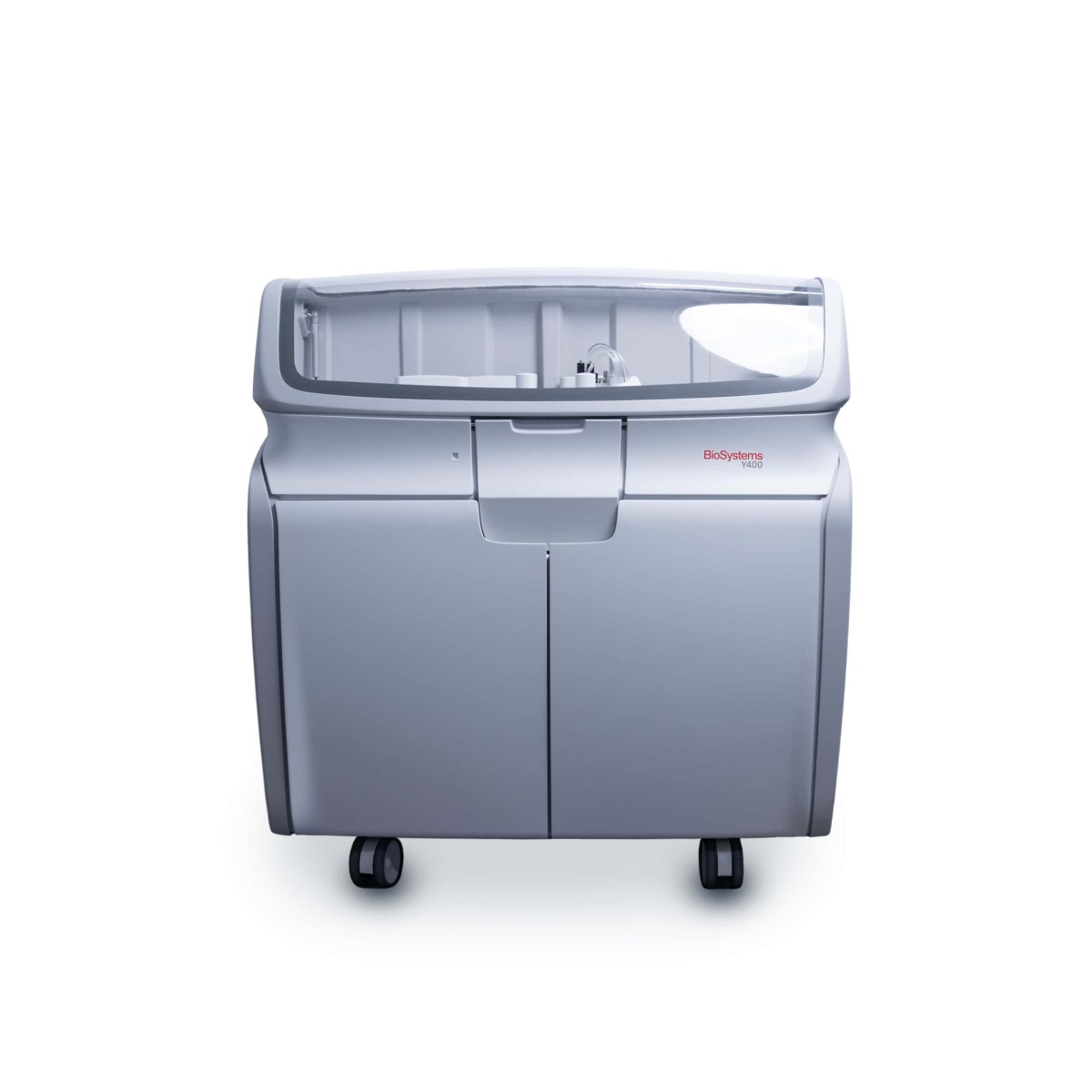
Y400 is a full automatic analyser with automatic hemolysis on whole blood samples and fast sample loading.

See this product

SPICA

SPICA

SPICA is an automatic and multiparametric oenological analyser that has been designed together with users from all over the world.

See this product