About us
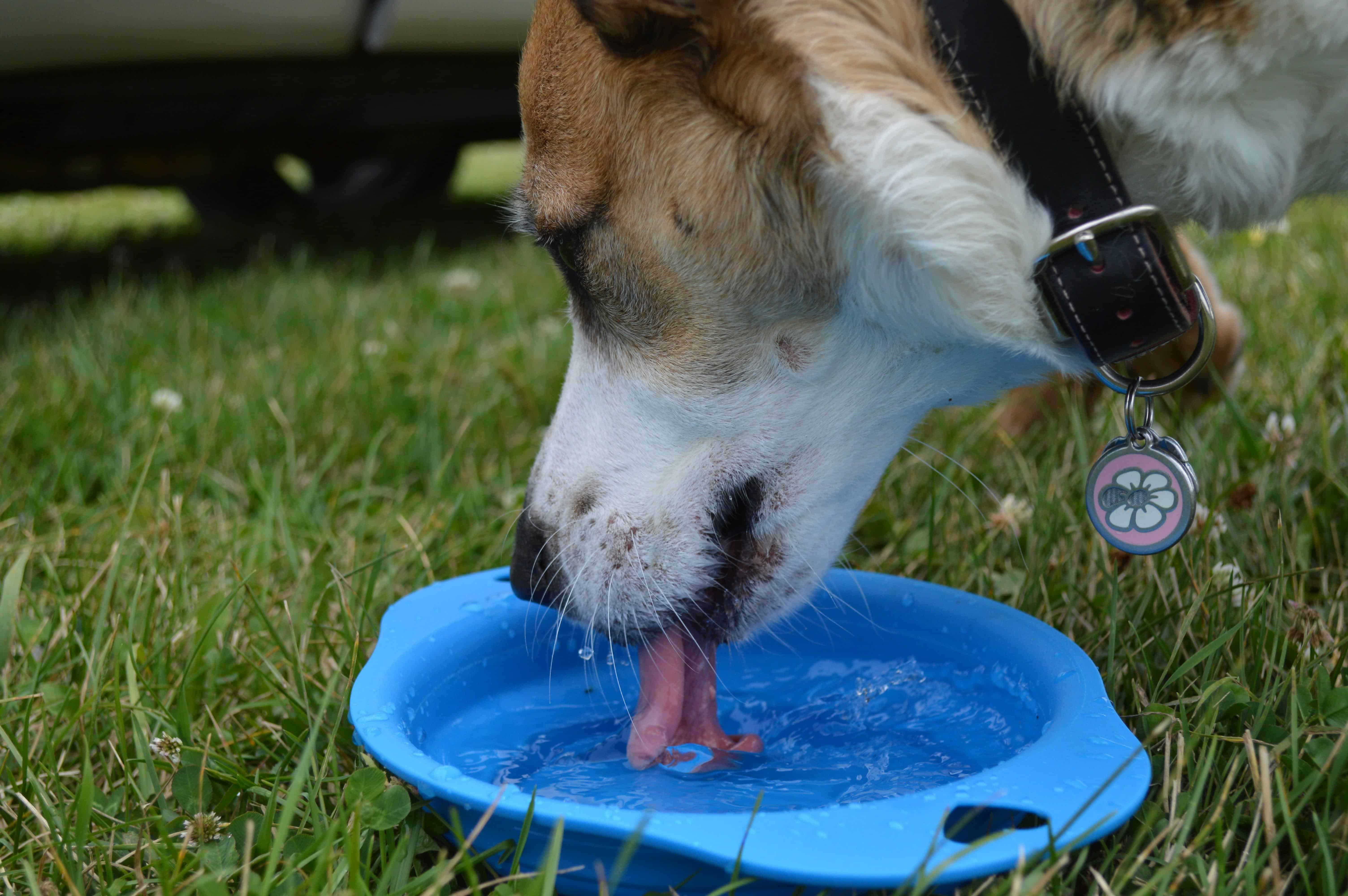
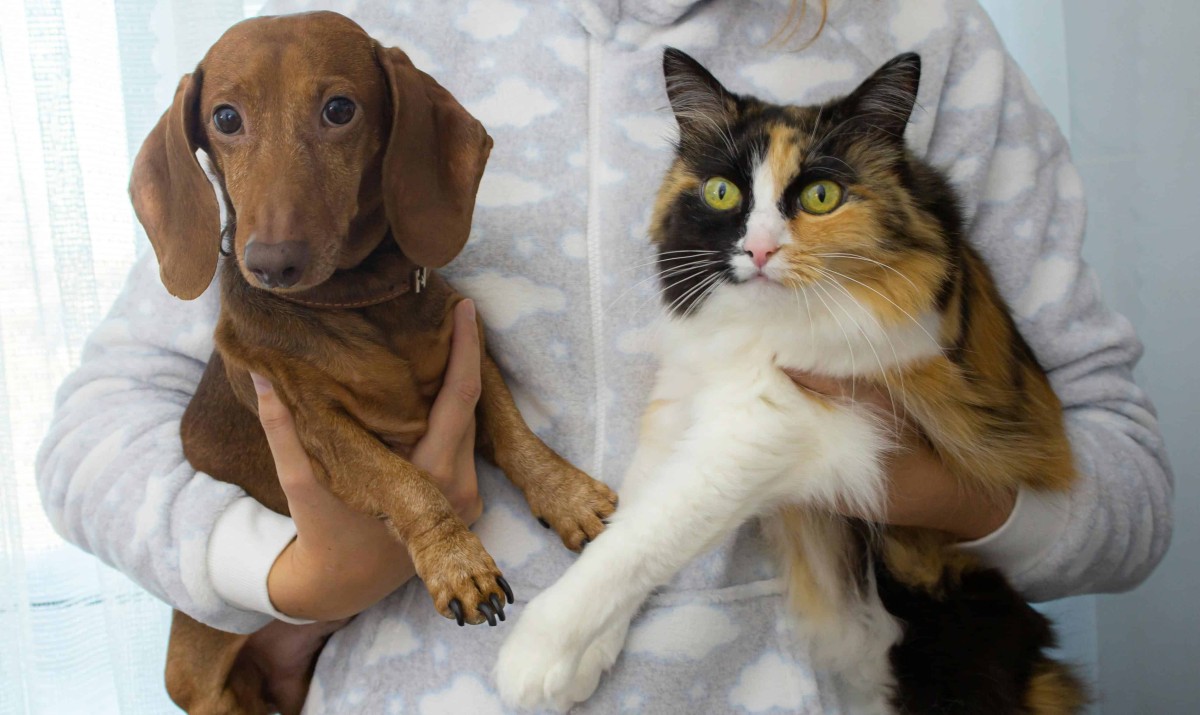
Polydipsia is a syndrome characterised by an abnormal increase in water intake driven by increased thirst, leading to excessive urine production, known as polyuria, and resulting in more frequent and abundant urination.
- About
- Solutions
-
![arrow]() Clinical Analysis
Clinical Analysis
-
![arrow]() Biochemistry Systems
Biochemistry Systems
-
![arrow]() If you are interested in our solutions for Clinical Analysis, you can learn more on our Global website and reach out to us with your needs.
Visit our Global Website
If you are interested in our solutions for Clinical Analysis, you can learn more on our Global website and reach out to us with your needs.
Visit our Global Website![arrow]()
-
![arrow]() Autoimmunity Systems
Autoimmunity Systems
-
![arrow]() If you are interested in our solutions for Clinical Analysis, you can learn more on our Global website and reach out to us with your needs.
Visit our Global Website
If you are interested in our solutions for Clinical Analysis, you can learn more on our Global website and reach out to us with your needs.
Visit our Global Website![arrow]()
-
-
![arrow]() Veterinary Analysis
Veterinary Analysis
-
![arrow]() Biochemistry Systems
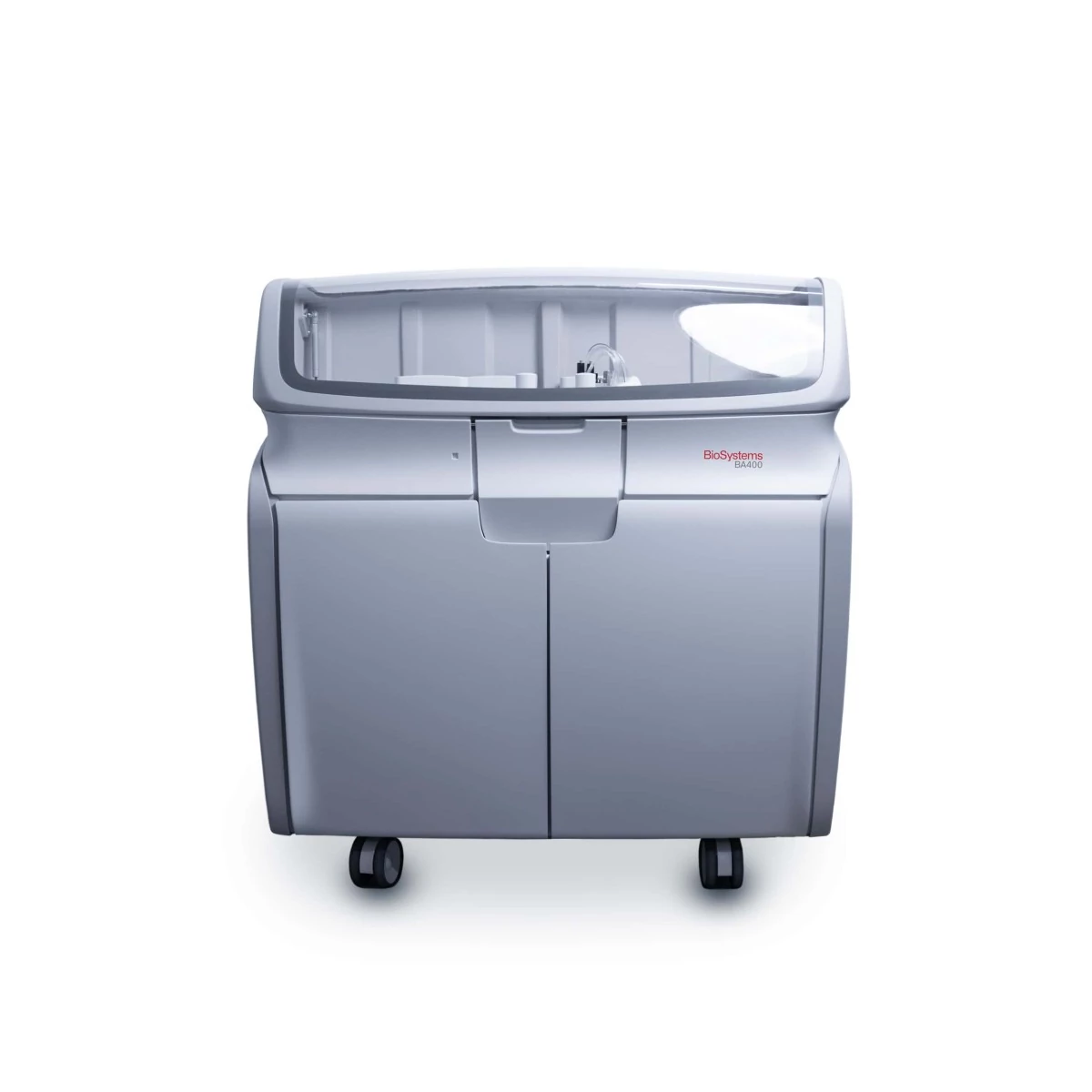
Biochemistry Systems
-
![arrow]() If you are interested in our solutions for Clinical Analysis, you can learn more on our Global website and reach out to us with your needs.
Visit our Global Website
If you are interested in our solutions for Clinical Analysis, you can learn more on our Global website and reach out to us with your needs.
Visit our Global Website![arrow]()
-
![arrow]() Vector-borne Diseases Systems
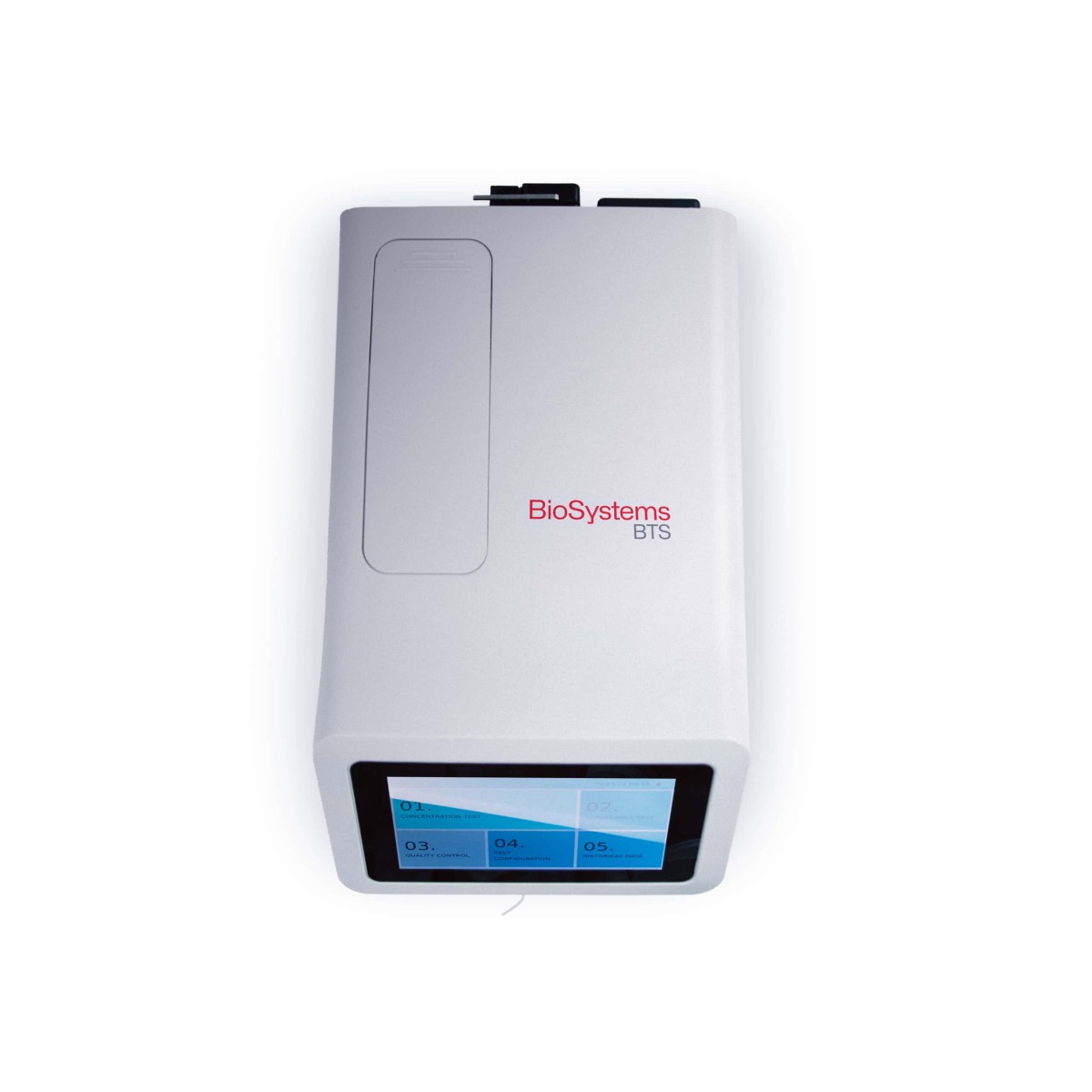
Vector-borne Diseases Systems
-
![arrow]() If you are interested in our solutions for Clinical Analysis, you can learn more on our Global website and reach out to us with your needs.
Visit our Global Website
If you are interested in our solutions for Clinical Analysis, you can learn more on our Global website and reach out to us with your needs.
Visit our Global Website![arrow]()
-
-
![arrow]() Food & Beverage Analysis
Food & Beverage Analysis
-
![arrow]() Environmental Analysis
Environmental Analysis
-
![arrow]() Bioprocess Analysis
Bioprocess Analysis
-
- Discover
- Contact
- Resources


All rights reserved.
©2026