Select a country for a better browsing experience.

  • Global
open

All rights reserved.
©2025

Select a language.

ENopen ESopen FRopen
Want to go back?

General

Absorption photometry

Absorption photometry is an analytical technique that measures the amount of light absorbed by a liquid solution, at a specific wavelength, in order to determine the concentration of an absorbing substance. In this technique, a beam of light passes through a solution, and the decrease in light intensity due to absorption is measured.

Absorption photometry is the main physical measurement principle of our analytical systems. It consists of passing a certain intensity of light, of a specific wavelength, through a liquid and then measuring the intensity of light that is not absorbed by this liquid.

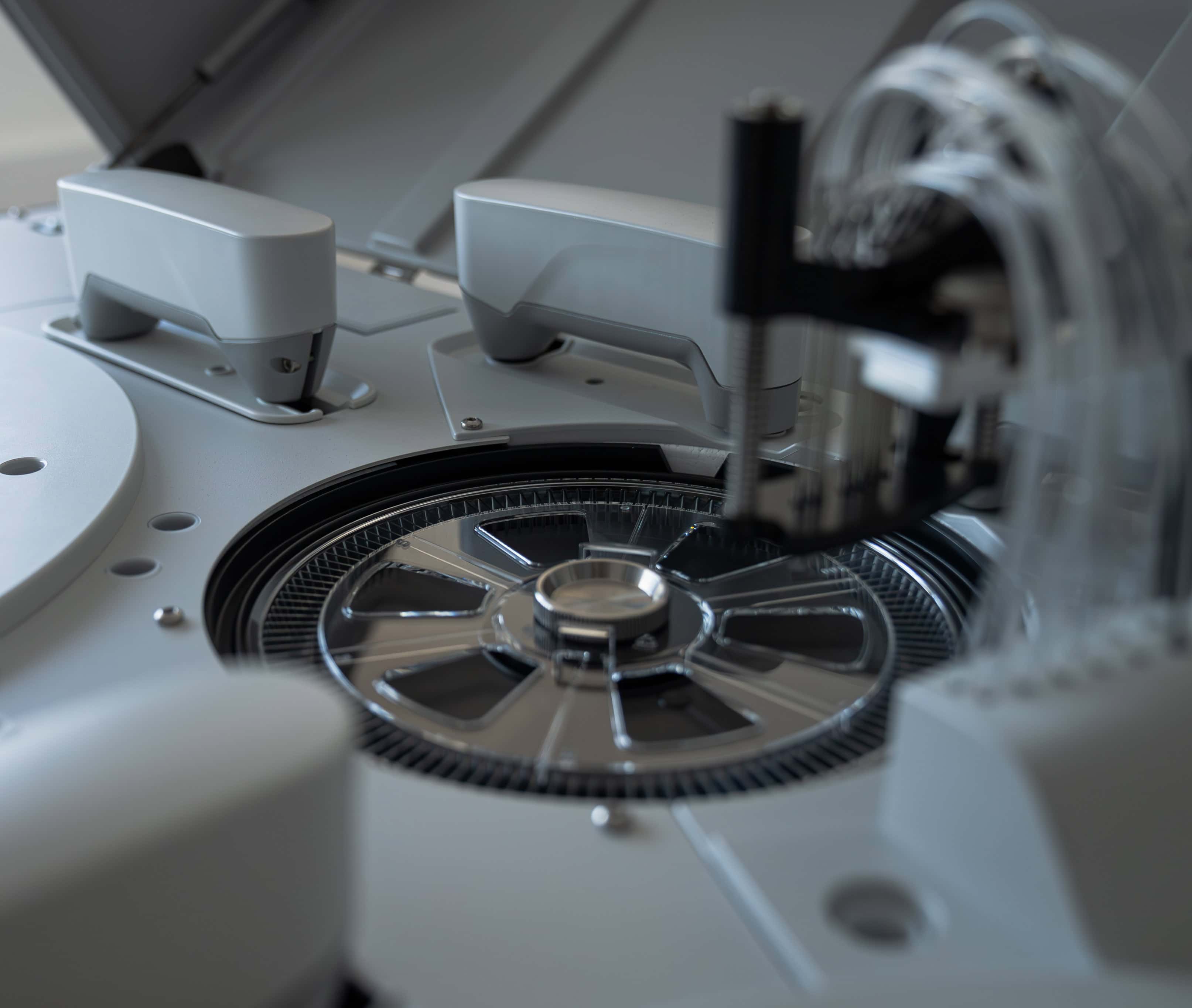
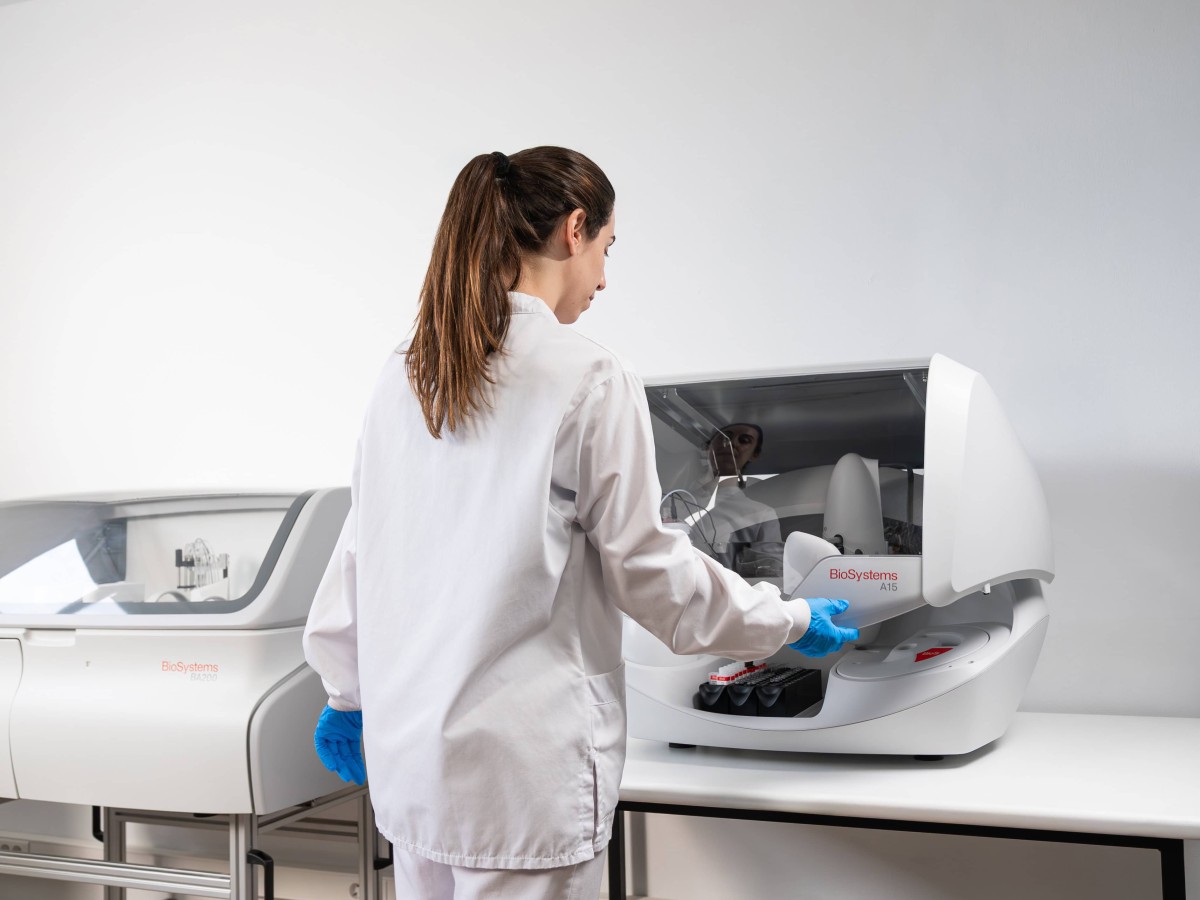
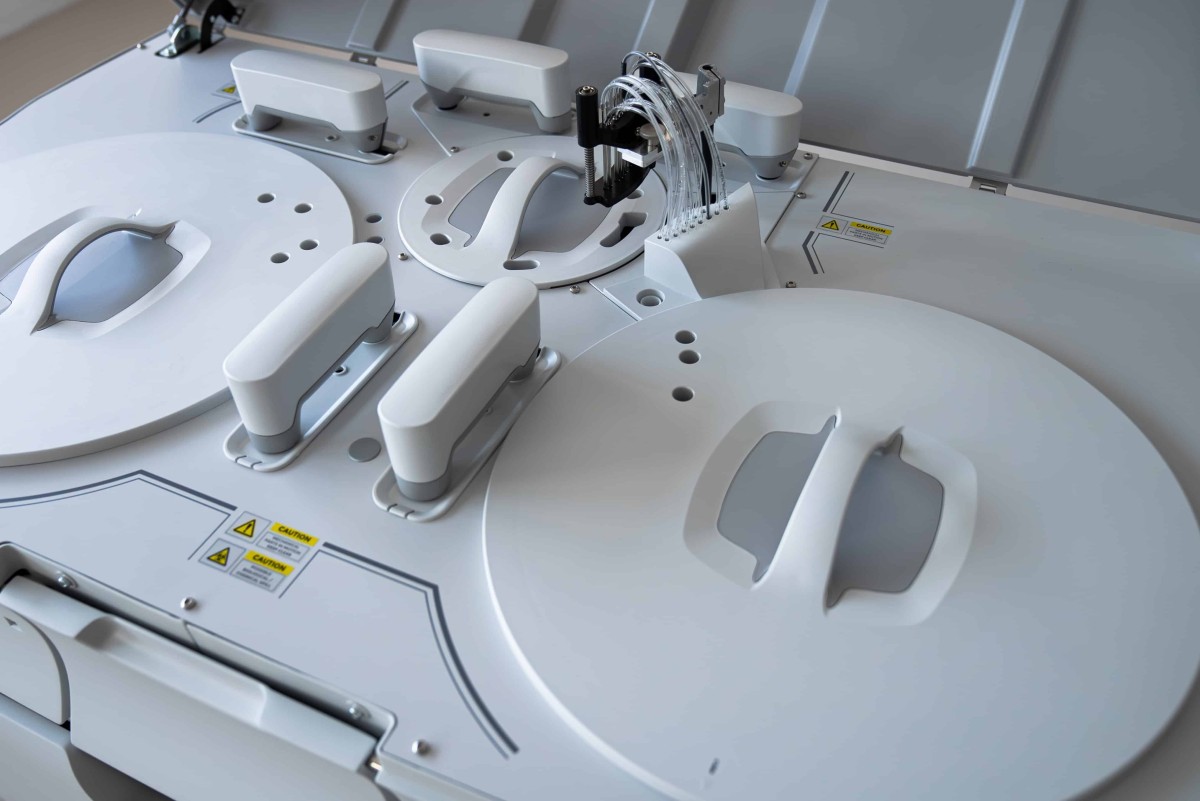
Biosystems analysers use LEDs (light emitting diodes) of different wavelengths as light sources, except the BioSystems A15/Y15 analysers that use a halogen lamp, with the suitable interferential filters to get the desired light wavelength, usually between 340 and 750 nm. All analysers have transparent cuvettes where liquids are dispensed and the optical measurements can be made. The light intensity is measured using high precision silicon photodiodes.

The analysers measure first the intensity of light that reaches the photodetector when we have water in the cuvette (Io) and then the intensity that reaches it when we have the problem liquid that we want to study (I). The difference between these two intensities is due to the absorption of light caused by the problem liquid. This liquid is normally a chemical reaction in which certain substances called chromophores appear. They are molecules that absorb light of a certain wavelength, which cause us to observe a drop in the light intensity that reaches the detector. To express the degree of light absorption we can use the physical magnitude called absorbance (A) which is defined as:

                                     A = log (Io / I)


The Beer-Lambert law

It is very convenient to use this magnitude because the absorbance is directly proportional to the concentration of the chromophore in the reaction (C). In other words, the more concentrated the chromophore, the more light is absorbed. And the absorbance is also proportional to the distance that the light has to pass through the reaction (L). This distance is called the optical path length of the cuvette. These two facts are included in the Beer-Lambert law, which states that the measured absorbance is proportional to the concentration of the chromophore and the optical path length. The proportionality constant is called molar absorptivity or molar absorption coefficient (α) of the chromophore, which depends on the wavelength and is specific to each chromophore. This law is expressed, therefore, as:

                                          A = α C L


In the clinical laboratory, absorbance values are standardized to an optical path length of 1 cm.


Using absorbance to measure analyte concentrations

The Beer-Lambert law enables the concentration of the chromophore to be calculated by measuring its absorbance. But what really matters is not the concentration of the chromophore in the chemical reaction, but the concentration of the analyte in the sample. The analyser is able to relate the measured absorbance of the reaction to the concentration of the analyte, through the appropriate analysis mode and calibration defined and programmed in the instrument software. The complete analysis process is explained in more detail in the article How does a clinical biochemistry analyser work?.

Turbidimetry

In the case of turbidimetry reagents, when the reagent reacts with the sample, aggregates of particles appear that scatter light in different directions. Therefore, we also observe a decrease in light intensity that we can quantify with an absorbance, even if in this case it is due to the dispersion of light and not to its absorption.  And in a completely analogous way, we can also define the appropriate analysis mode and calibration that, based on the measured absorbances, allows us to determine the concentration of the desired analyte in the sample.

Why do we use photometric measurement methods?

High accuracy and reliability

Photometric systems of BioSystems clinical chemistry analysers are highly automated. Automation reduces the risk of human error and ensures consistent and reliable results, further enhancing accuracy.


High sensitivity and low sample volume

This technique allows measuring substances at very low concentrations using only a few microliters of sample, which is very convenient due to the difficulties in obtaining enough sample volume of some fluids, such as cerebrospinal fluid (CSF) or serum from babies or small pets.


Versatility

It can be used to measure a wide range of analytes in different matrixes. Not only human fluids, but also from another animals, foodstuff and drinks.


Economy

It is a high-throughput testing, which allows to process many samples efficiently. Also, many photometric methods have been well-stablished and validated over time, leading to standardized procedures that reduce the cost per analysis.

Sub-category

Products in this article

BA400

BA400

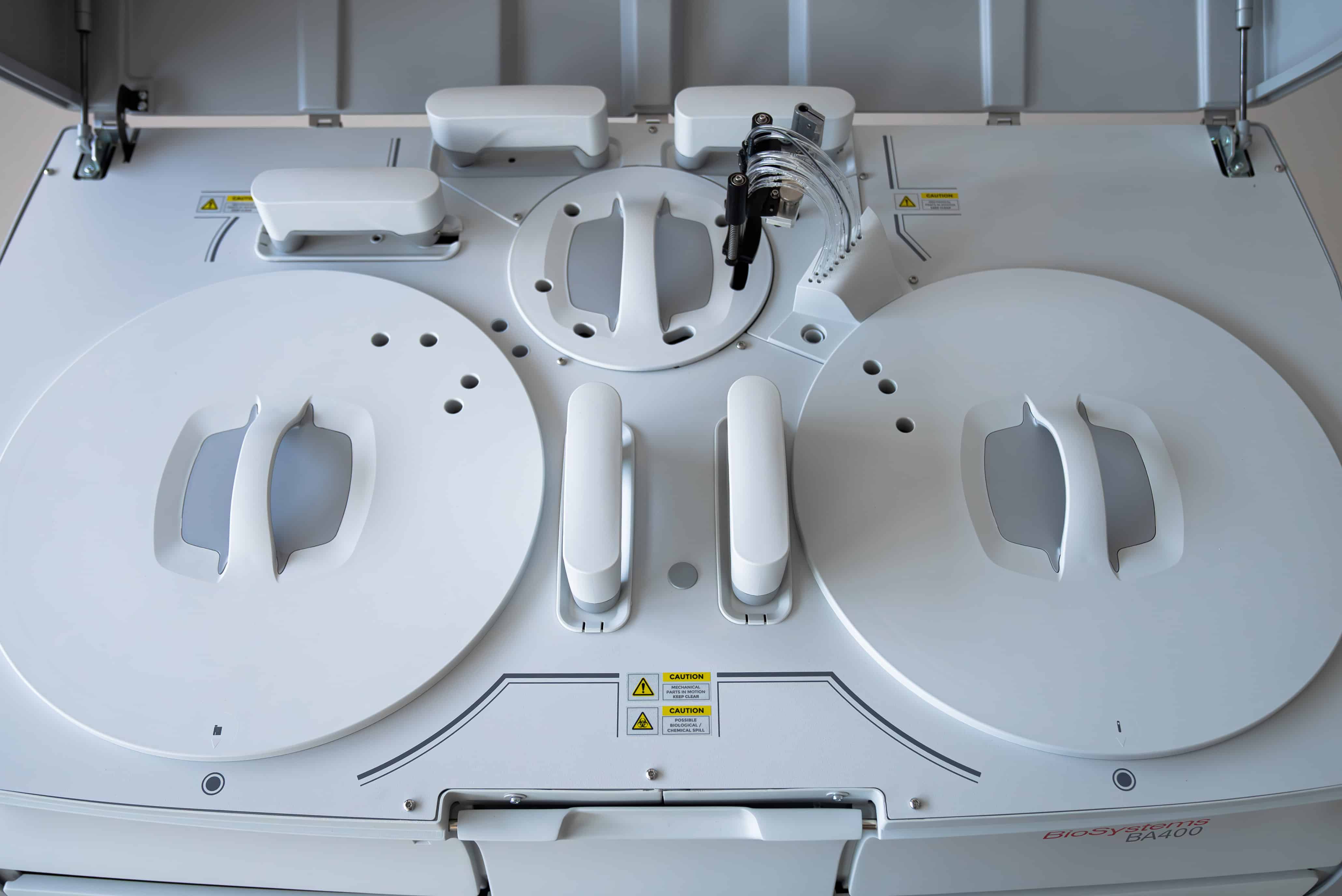
BA400 is a full automatic analyser with automatic hemolysis on whole blood samples and fast sample loading.

See this product

BA200

BA200

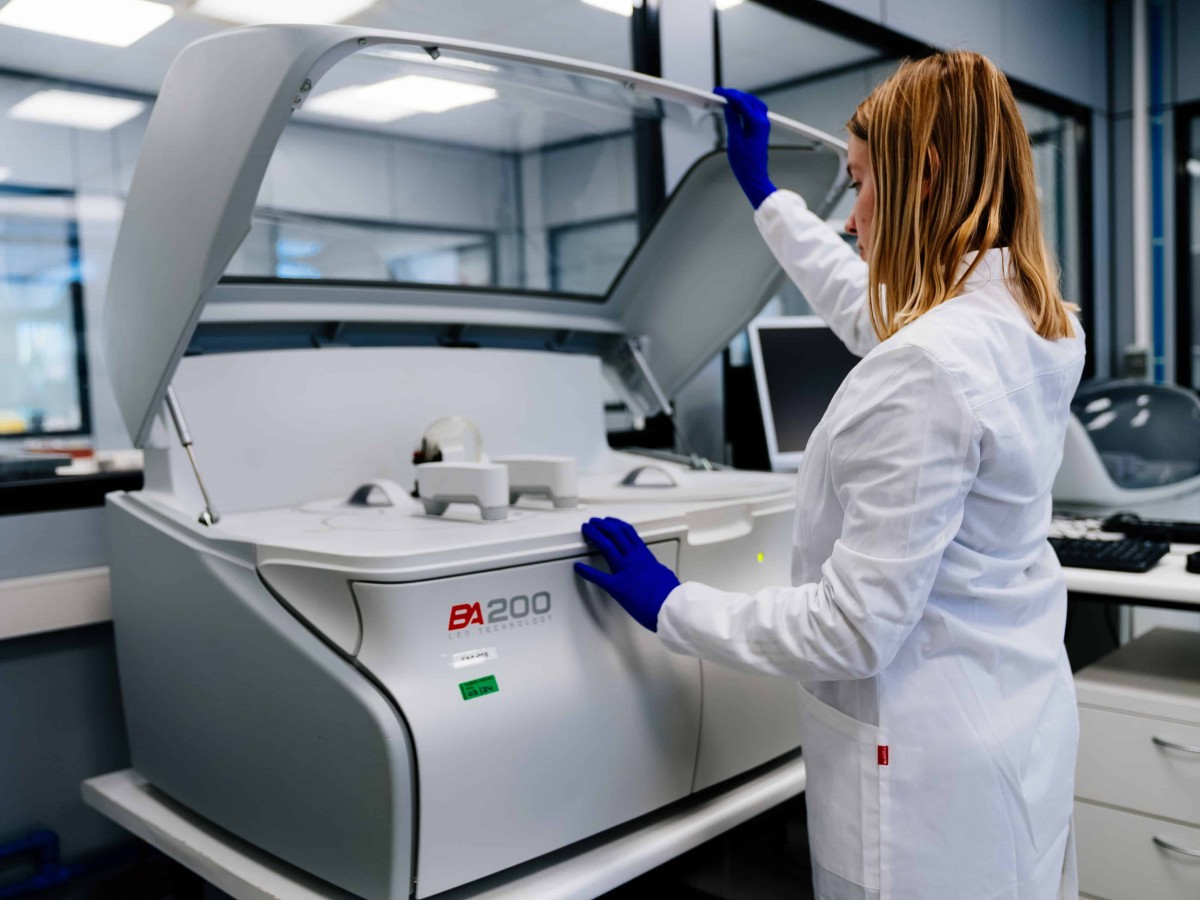
BA200 is a full automatic analyser with high reagent and sample capacity (88 position), the highest grade in flexibility. 

See this product

A15

A15

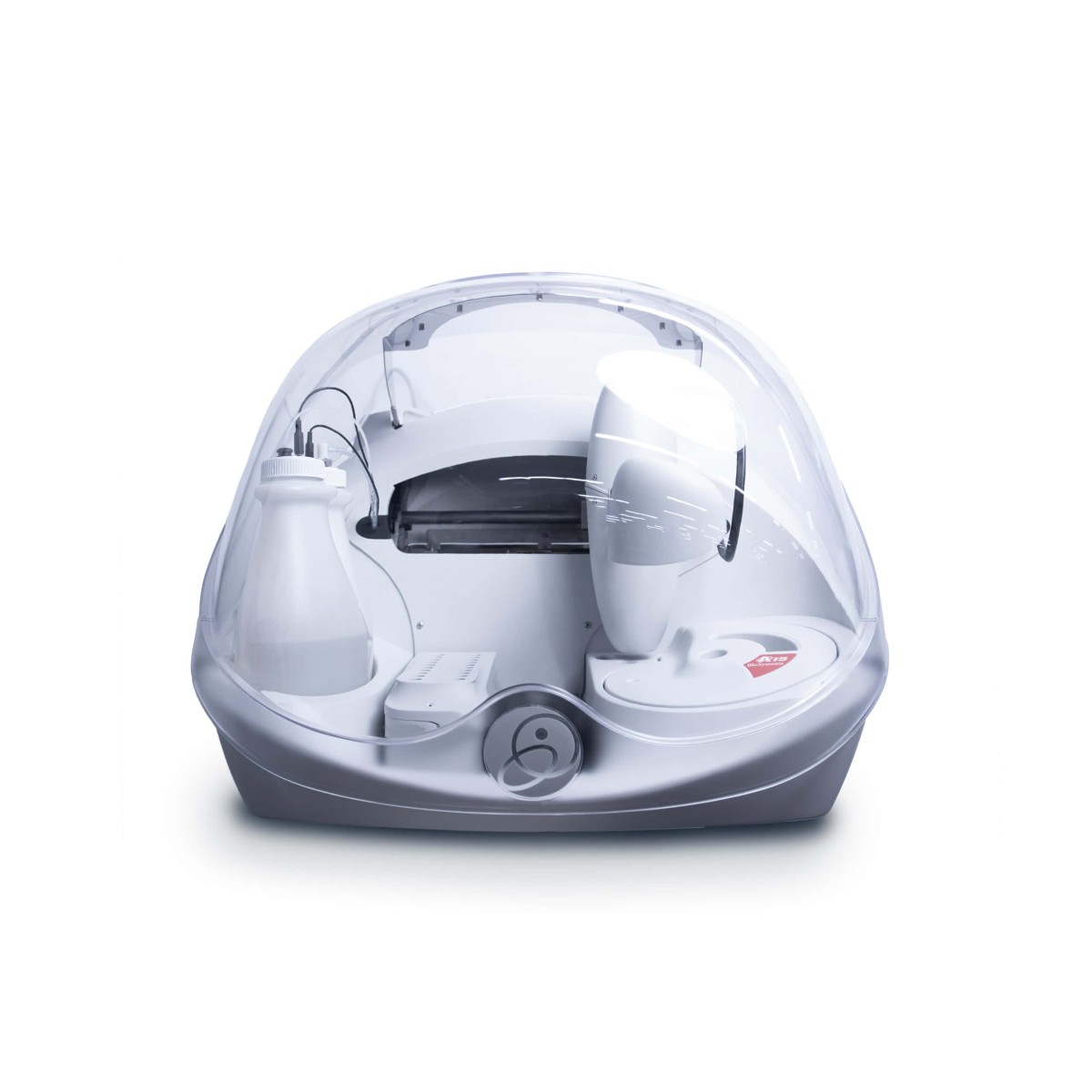
A15 is a small size and low demanding analyser that facilitates automation of tests.

See this product

Y400

Y400

Y400 is a full automatic analyser with automatic hemolysis on whole blood samples and fast sample loading.

See this product

Y200

Y200

Y200 is a full automatic analyser with high reagent and sample capacity (88 position), the highest grade in flexibility.

See this product

Y15

Y15

Y15 is a small-size low-demanding analyser that facilitates the automation of tests.

See this product

SPICA

SPICA

SPICA is an automatic and multiparametric oenological analyser that has been designed together with users from all over the world.

See this product

BTS

BTS

BTS is a manual analyser with LED optics system, and a new intuitive and easy-to-use software that will ease your daily work in the laboratory.

See this product

ZINC

Analysers

See this product